
- Imprimer
- Partager
- Partager sur Facebook
- Partager sur LinkedIn
Séminaire / Recherche
Le 21 mai 2026
Saint-Martin-d'Hères - Domaine universitaire
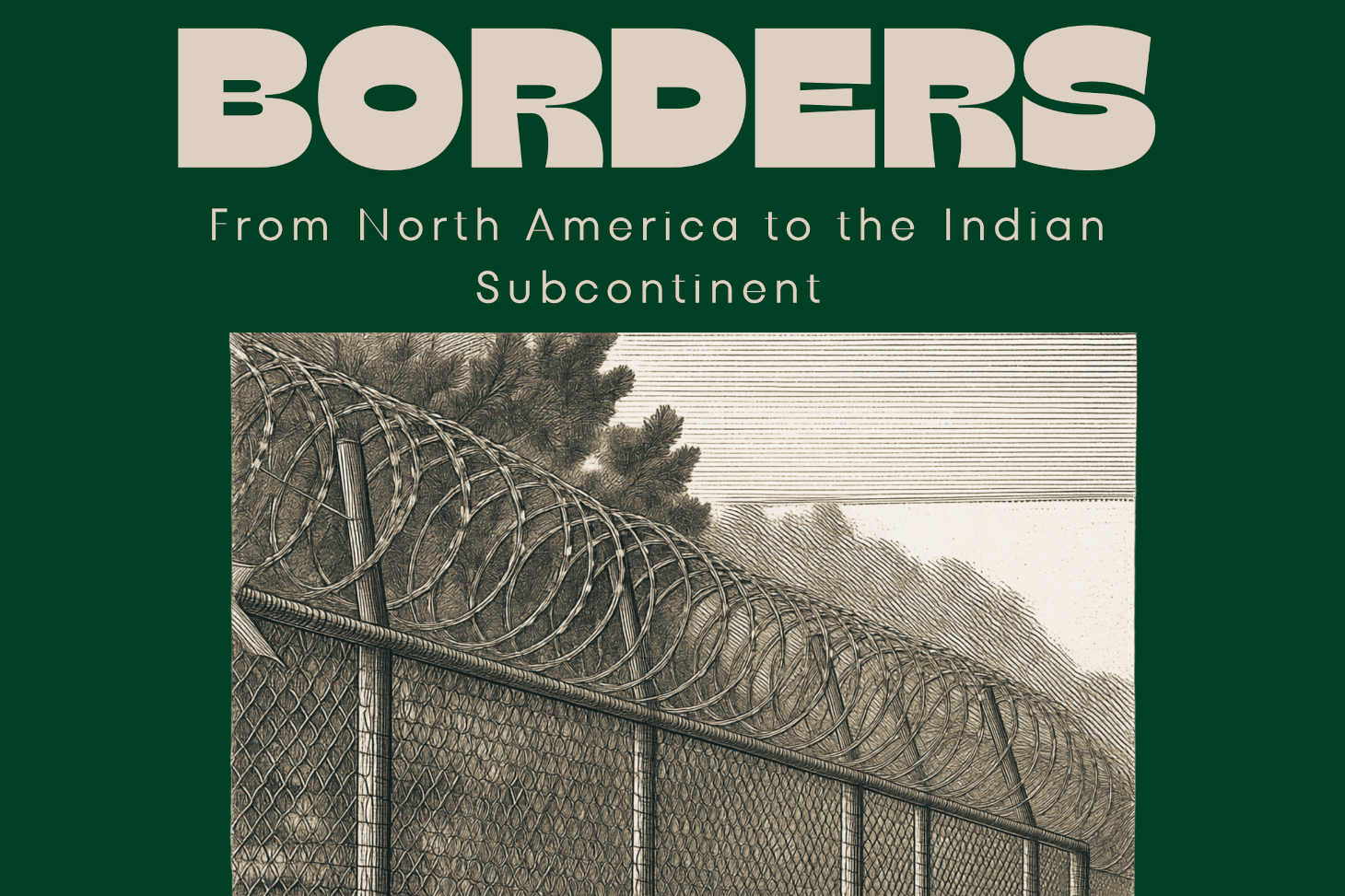
Le séminaire Histoire & histoires du groupe Thes’Art des doctorant.e.s de l’ILCEA4 présente sa dernière séance de l’année universitaire.
Séance organisée et animée par :
Importing Evangelical Nationalism: A Comparative Analysis of the pyschopolitics of border biopower, The Ezra Institute and Action4Canada
Une analyse empirique de l'importation de la rhétorique évangélique américaine au Canada est essentielle pour comprendre l'activisme religieux populiste transfrontalier. L'influence des groupes de réflexion (think tanks) sur les politiques publiques — compte tenu de leur pouvoir considérable et de la rareté des recherches évaluées par des pairs à leur sujet — mérite une attention universitaire approfondie. Une analyse comparative des textes, des programmes éducatifs et des contenus médiatiques de l'Ezra Institute et d'Action4Canada permettra de déterminer dans quelle mesure ces organisations utilisent une rhétorique évangélique américaine auprès de leur public canadien. Des codes thématiques seront employés pour identifier des récurrences, des stratégies rhétoriques et des adaptations idéologiques. Ces codes porteront sur des thèmes tels que le nationalisme chrétien, l'opposition aux droits LGBTQ+ et au mouvement « woke », les droits parentaux ou encore le discours apocalyptique. L'analyse de ces termes mettra en lumière l'intensité de tactiques rhétoriques spécifiques — comme l'instrumentalisation de la peur ou les récits de victimisation visant à mobiliser les sympathisants — ainsi que la fréquence d'importation de la propagande américaine liée aux « guerres culturelles ».
Hanna Aicart est doctorante sous la direction de Pierre-Alexandre Beylier. Ses recherches visent à analyser les constructions psychologiques à l'origine d'identités liées à la frontière chez les citoyens. Elle s'intéresse particulièrement à la porosité de la frontière canado-américaine et à la manière dont celle-ci facilite la pénétration au Canada de discours populistes d'extrême droite et nationalistes évangéliques. Elle explore le concept de « citoyen-soldat » en s'appuyant sur les travaux de Michel Foucault, Pierre Bourdieu et Antonio Gramsci, ancrant ainsi sa démarche dans le post-structuralisme et la théorie critique. Elle participe à un programme de thèse en miroir financé par le MaCl et est doctorante rattachée au laboratoire ILCEA4 et à l'école doctorale LLSH.
Women Who Flow Through Borders of Control
Mes recherches portent sur la convergence entre les femmes et les rivières, toutes deux perçues comme étant à la fois indispensables et indociles, honorées, mais contrôlées. Si l’État masculiniste conçoit la souveraineté comme le pouvoir de fixer des frontières, les rivières et les femmes viennent ébranler cette aspiration. La question centrale qui anime mes travaux est donc la suivante : que se passe-t-il si, pour penser les frontières, l’appartenance et la citoyenneté, nous prenons au sérieux les logiques de flux plutôt que celles du contrôle ? En m’appuyant sur la pensée féministe, les théories féministes des frontières et la politique de résistance liée à la notion de « be/longing » (Rowe, 2005), je suggère que les traversées des femmes — à l’instar de celles des rivières — ont le pouvoir de former un assemblage rhizomatique de réseaux interconnectés, réinventant ainsi l’appartenance au-delà des frontières rigides de l’État.
Dans les zones frontalières entre le Népal et l’Inde, le sentiment d’appartenance se vit au-delà des limites territoriales formelles : les femmes tissent des liens de parenté par-delà les frontières, tandis que les rivières se fraient de nouveaux cours malgré les barrages. Pourtant, les infrastructures étatiques — des digues aux régimes de citoyenneté — cherchent à encadrer ces flux, engendrant de nouvelles formes d’exclusion tout en prétendant garantir l’ordre (Mehta, 2005 ; Yuval-Davis, 1997 ; Roy, 2012). En examinant la parenté, les effacements bureaucratiques et les pratiques quotidiennes par lesquelles les femmes maintiennent des liens transfrontaliers, je montre comment la citoyenneté opère comme une infrastructure masculine de confinement, alors que les déplacements des femmes et des rivières génèrent un agencement rhizomatique (Deleuze & Guattari, 1987 ; DeLanda, 2006) de réseaux refusant toute fixation. Cette tension entre flux et contrôle, entre révérence et effacement, est au cœur tant de la gouvernance des frontières que des débats féministes sur l’appartenance et la citoyenneté.
Kalpana Jha : Chercheuse et auteure, elle consacre ses travaux à la manière dont les individus se déplacent, tissent des liens d'appartenance et bâtissent des communautés par-delà les frontières. Doctorante à l'École d'administration publique de l'Université de Victoria, elle est également chercheuse associée au laboratoire Borders in Globalization et au Centre d'études mondiales de cette même université. Ses recherches portent sur les frontières et les zones frontalières, les migrations et les réseaux communautaires ; elle s'appuie sur des approches féministes et postcoloniales pour comprendre comment les gens vivent les frontières et les réinventent au quotidien. Ses travaux relient des récits locaux de mobilité et d'appartenance à des débats mondiaux plus vastes sur la citoyenneté, les déplacements de populations et la justice. Elle s'attache tout particulièrement à comprendre comment les récits de mobilité révèlent des enjeux profonds liés à la justice, à l'identité et au lien social dans un monde de plus en plus fragmenté. Son ouvrage, The Madhesi Upsurge and the Contested Idea of Nepal, examine les questions d'identité, d'inégalité et de citoyenneté au Népal.
La séance est également accessible sur Zoom :
https://univ-grenoble-alpes-fr.zoom.us/j/92070569436?pwd=G6tFSKJZ3DKVBbOxSX0aRTaESzsJrU.1
Meeting ID: 920 7056 9436
Passcode: 394317
Date
De 17h00 à 19h00
Localisation
Saint-Martin-d'Hères - Domaine universitaire
Salle 225 (tour IRMA)
Contact
Costanza Rapa
costanza.rapa [at] univ-grenoble-alpes.fr
à télécharger
L'affiche (en français)
- Imprimer
- Partager
- Partager sur Facebook
- Partager sur LinkedIn